
Tips for Luxury Yacht Charter: A Complete 2026 Guide
Table of Contents
Choosing the Right Yacht and Charter Type
Understanding Luxury Yacht Charter Cost and Budget Planning
What's Included in the Charter Fee
Hidden Costs and How to Avoid Surprises
Selecting Your Destination and Planning Your Itinerary
What to Pack for a Yacht Charter
Yacht Charter Etiquette and Onboard Conduct
Crew Gratuity and Tipping Guidelines
Questions to Ask Before Booking a Yacht Charter
Working With a Charter Broker and Booking Timeline
Frequently Asked Questions
Last Updated: October 18, 2026
Choosing the Right Yacht and Charter Type
A luxury yacht charter begins with matching the vessel to your group. The market offers two options: crewed charters, where a professional captain and crew handle all operations and service, and bareboat charters, where experienced sailors rent a yacht without crew and navigate independently.
Crewed charters make a luxury yacht charter memorable: your captain manages navigation and safety while the crew handles meals, housekeeping, and personalized service. This eliminates stress and lets you focus on relaxation, celebration, or exploration.
Yacht size matters. Smaller vessels (40-60 feet) suit intimate groups of 4-8 and maneuver easily in shallow waters and tight anchorages. Families with children benefit from safety features and shallow-draft designs; celebration groups prioritize entertainment space and water toys.
Pro Tip Ask the charter broker specifically what water toys and recreational equipment come standard. Some operators include jet skis, paddleboards, and snorkeling gear; others charge extra. This detail significantly impacts your total experience and budget.
Understanding Luxury Yacht Charter Cost and Budget Planning
The advertised charter fee typically covers the yacht rental, captain, and crew for the duration. However, a luxury yacht charter involves multiple cost layers that first-time charterers often overlook. Understanding this breakdown prevents sticker shock and helps you budget accurately.
The base charter fee covers the yacht, fuel, captain, and crew salaries for your booked days. A week-long charter fee depends on season, yacht size, and destination. Peak season (summer and holidays) commands premium pricing; shoulder season (spring and fall) offers better value. Off-season charters (late fall and winter) provide the lowest rates but may limit destinations due to weather.
What's Included in the Charter Fee
Most charter agreements include the yacht, captain, professional crew, basic provisioning, and standard fuel consumption. Crew gratuity is typically separate and calculated as a percentage of the charter fee. Insurance coverage varies by operator and charter type. Understand what provisioning means: some operators provide basic supplies and expect you to purchase groceries; others include full meal preparation with chef services. Ask your broker for an itemized breakdown of what the quoted price covers.
Hidden Costs and How to Avoid Surprises
Beyond the base fee, budget for an advance provisioning allowance (APA), typically 10-15% of the charter fee. This covers groceries, beverages, fuel overage, docking fees, and other variable costs. Your broker should provide an estimate, but the final APA bill settles after your charter based on actual expenses. Docking fees vary by location; popular anchorages like Crab Island may charge mooring fees, while remote anchorages are free. Fuel costs depend on cruising distance and engine efficiency.
Water sports often carry separate charges. Jet ski rentals, scuba diving excursions, fishing licenses, and guided shore tours add up quickly. Clarify with your broker which activities are included. Communication costs (satellite phone, internet) may apply on some yachts, and special requests like custom meal menus or themed decorations sometimes incur additional fees.
Watch Out Never assume "all-inclusive" means everything. The charter industry uses this term loosely. Fuel overage, docking fees, water activities, and gratuities are almost never included in the base price. Ask your broker to provide a sample total-cost breakdown for a similar charter to see the real number.
Selecting Your Destination and Planning Your Itinerary
Your destination shapes every aspect of the luxury yacht charter experience. Consider sailing season, accessibility, and what activities matter most to your group. Warm-water destinations like the Caribbean and Mediterranean offer year-round appeal, while temperate regions have distinct seasonal advantages.

A well-planned itinerary balances structure with flexibility. Most charterers plan 2-3 primary destinations with secondary anchorages as backups. Popular spots fill quickly in peak season, so your captain may suggest less-crowded alternatives.
Weather and sea conditions change unpredictably, so a flexible schedule lets your captain adjust routes for comfort and safety. Last-minute adjustments are normal.
What to Pack for a Yacht Charter
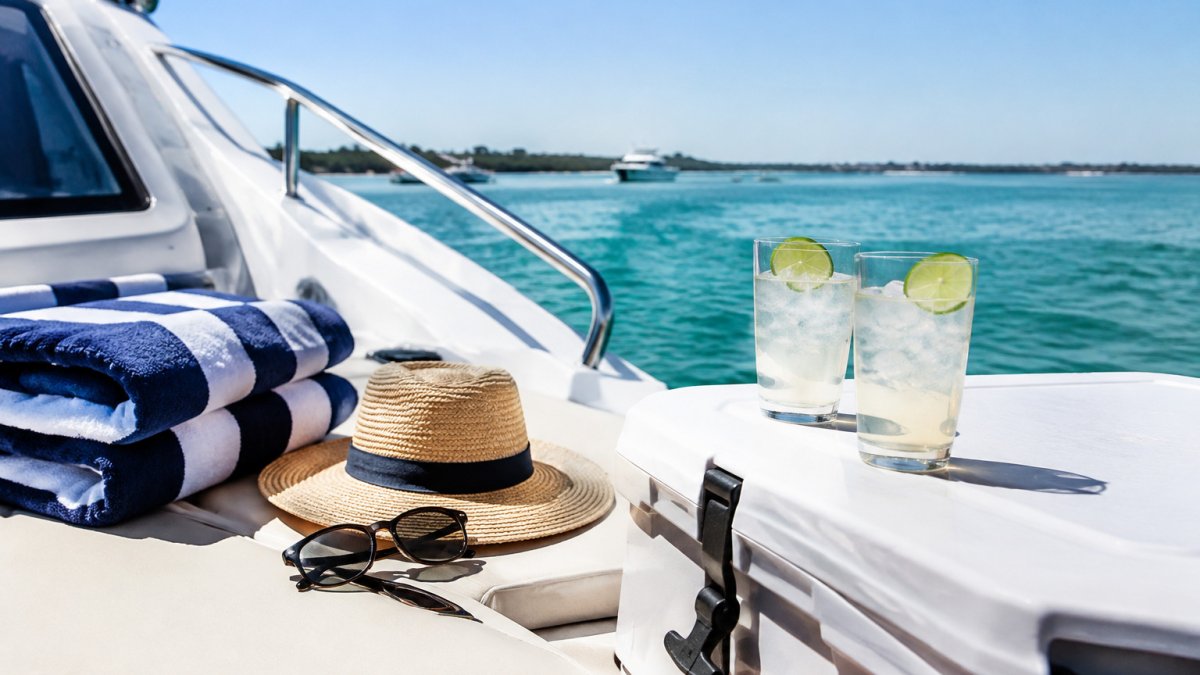
Packing for a luxury yacht charter differs from land-based travel because storage is limited and the marine environment demands specific gear. Soft-sided luggage fits yacht cabins far better than rigid suitcases.
DMA Yachting
Footwear matters more than most travelers expect. Bring deck shoes or non-marking soles to protect the yacht's surfaces; secure footwear prevents slipping on wet decks. A lightweight jacket handles evening chill and wind. Avoid heavy perfumes and colognes; they're overpowering in close quarters and can attract marine insects.
Sunscreen is non-negotiable: water reflects UV rays intensely, and sun exposure on the water accelerates faster than on land. Reef-safe sunscreen protects marine ecosystems. Bring prescription medications in original bottles plus copies of prescriptions.
Key Takeaway Pack a dry bag for electronics and valuables. Yachts mean water exposure, and saltwater corrodes electronics. A small waterproof case protects phones, cameras, and important documents from spray and accidental splashes.
Yacht Charter Etiquette and Onboard Conduct
Understanding yacht culture prevents misunderstandings. Yachts operate with clear hierarchies and safety protocols. The captain has absolute authority over vessel operations and safety decisions. Respect their expertise and follow their instructions, especially regarding water entry, weather changes, or navigation.
Crew members are professionals providing service, not servants. Treat them with respect and acknowledge their efforts. Clear communication prevents frustration: if something isn't working or you have preferences, mention it directly and kindly to the crew rather than complaining to other guests.
Personal space on a yacht is limited. Respect cabin privacy, keep noise reasonable during sleeping hours, and be mindful of shared facilities. Wet towels and swimwear belong in designated areas. Leave common areas clean.
Crew Gratuity and Tipping Guidelines
Crew gratuity is customary and expected in the luxury yacht charter industry. Unlike restaurants where tipping is optional, yacht crew gratuity is standard practice. The typical range is 10-15% of the base charter fee, divided among crew members by role and charter duration.
Gratuity should be paid in cash at the end of your charter unless your contract specifies otherwise. Some operators allow gratuity to be added to your final bill, but cash tips are preferred. For exceptional experiences, tip toward the higher end (15%).
Individual tips for exceptional service are appropriate beyond the standard gratuity. If the chef exceeded expectations or the deckhand went above and beyond, a personal thank-you with additional cash is appreciated.
Questions to Ask Before Booking a Yacht Charter
Asking the right questions ensures the luxury yacht charter matches your expectations. Start with vessel specifics: What is the exact make, model, and year? Request recent photos of the actual vessel, not generic images.
Inquire about crew experience. How long has the captain commanded this yacht? What certifications do crew members hold? Has the crew worked together before? Crew cohesion directly impacts your experience.
Ask about water toys included with your charter. What snorkeling gear is provided? Are jet skis included or available for rent? What fishing equipment comes standard?
Understand the cancellation and rescheduling policy in detail. What happens if weather forces a cancellation? Can you reschedule without losing your deposit? What if you cancel for personal reasons? Does the operator offer travel insurance or protection plans?
Best For First-time charterers should ask about the operator's onboarding process. Do they provide a pre-charter call to discuss expectations? Do crew members meet guests at embarkation to review safety procedures? Operators that invest in clear communication typically deliver better experiences.
Working With a Charter Broker and Booking Timeline
A charter broker serves as your advocate and guide through booking. Brokers have access to yacht inventories, negotiate on your behalf, and handle contract details.
Start the booking process 3-6 months before your desired charter date, especially for peak-season trips. This timeline allows the broker to assess availability, compare options, and secure your preferred yacht.
The booking process involves several steps. First, you'll give your broker dates, group size, destination preferences, and budget. The broker presents options with yacht specifications, pricing, and availability.
Your broker coordinates final details: provisioning preferences, special requests, ground transportation, and pre-charter communications with the crew. They answer questions and mediate concerns before you board.
Booking a luxury yacht charter transforms a vacation into an unforgettable experience, but the details matter. Whether you're planning a romantic sunset cruise, a celebration with close friends, or a family adventure, our team handles every detail so you can focus entirely on enjoying the water. Learn more about responsible yacht chartering practices to understand how to protect marine environments while enjoying your experience.
Planning Stage | Timeline | Key Actions |
Initial Planning | 6+ months before | Define dates, group size, budget, destination preferences |
Broker Selection | 5-6 months before | Research and select experienced charter broker |
Yacht Selection | 4-5 months before | Review options, compare vessels, finalize choice |
Booking & Deposit | 4 months before | Sign charter agreement, submit 50% deposit |
Final Coordination | 30-60 days before | Confirm provisioning, special requests, crew communication |
Pre-Departure | 1-2 weeks before | Receive embarkation details, packing reminders, final confirmations |
Charter | Scheduled dates | Embark, complete safety briefing, enjoy your experience |
According to the American Sailing Association's guide to yacht chartering, understanding charter types and crew roles significantly improves first-time charterer satisfaction.
Frequently Asked Questions
What should I know before booking a luxury yacht charter?
Before booking, verify the specific yacht you'll receive matches the photos and specifications provided. Confirm what's included in the charter fee, understand the cancellation and weather-reschedule policy, and clarify crew experience and service levels. Ask about advance provisioning allowance, fuel costs, docking fees, and any additional charges. Request references from previous guests and review the charter agreement thoroughly to avoid surprises.
How much does a luxury yacht charter typically cost?
Luxury yacht charter costs vary significantly based on yacht size, location, season, charter duration, and included amenities. Pricing depends on whether you choose a crewed or bareboat charter, the number of guests, and your destination's demand during peak sailing season. Contact Nauti Pleasure Yacht Charters directly or visit their pricing page for a customized quote based on your specific dates, group size, and preferences.
What is proper etiquette on a yacht charter?
Respect personal space, follow the captain's safety instructions, and communicate clearly about preferences and special requests. Avoid loud noise during early mornings and late evenings. Dress appropriately for the yacht environment, keep the deck clear of clutter, and be mindful of water conservation. Treat crew members professionally and follow their guidance on water toys and onboard activities. Tipping the crew is customary for excellent service.
What questions should I ask before booking a yacht charter?
Ask about the yacht's specifications, maintenance history, and safety equipment. Inquire about crew qualifications, experience, and service style. Request details on the charter agreement, cancellation terms, and weather contingency plans. Clarify what's included versus optional costs like fuel, food and beverages, docking fees, and water activities. Ask about flexibility for last-minute itinerary adjustments and how the company handles crowded anchorages or unexpected conditions.
What should I pack for a luxury yacht charter?
Bring soft-sided luggage or duffel bags since storage on yachts is limited. Pack versatile clothing for varying weather, including layers, a light jacket, and swimwear. Include reef-safe sunscreen, sunglasses, and a hat. Bring non-slip shoes, casual evening wear for dinners, and toiletries. Avoid heavy suitcases and bulky items. Consider the sailing season and destination when selecting clothing, and check with your charter broker about specific recommendations for your trip.
How long should I book a yacht charter for?
Charter duration depends on your goals and budget. Weekend charters (2-3 days) work well for romantic getaways or local celebrations. Week-long charters allow exploration of multiple destinations and provide better value per day. Consider the sailing season and your destination's best routes when deciding duration. Longer charters offer more flexibility for route planning and adjusting your itinerary based on weather and guest preferences.
Should I tip the crew on a yacht charter?
Yes, tipping is customary and expected in the luxury yacht charter industry. A standard tip is distributed among the crew. Some guests prefer tipping daily, while others tip at the end of the charter. Discuss tipping expectations with your charter broker before booking. If crew service exceeds expectations, tipping at the higher end of the range is appropriate. Crew gratuity reflects their professionalism and dedication to your experience.
What happens if weather affects my charter itinerary?
Most charter agreements include flexibility for weather-related changes. The captain and crew prioritize safety and will adjust your route or activities as conditions warrant. Discuss the cancellation and rescheduling policy before booking to understand your options if severe weather occurs. Many reputable charter companies offer rebooking on alternative dates or partial refunds depending on circumstances. Clear communication with your charter broker about contingency plans ensures you're prepared for unexpected adjustments.
BOOK NOW


Comments